
In today’s interconnected world, promoting cross-cultural understanding has become more important than ever. As borders blur and societies become more multicultural, art emerges as a universal language that bridges gaps between communities. Whether it’s a painting, dance, sculpture, or digital media, art can express emotions and stories that transcend linguistic and cultural barriers. This article explores the top 10 ways in which art promotes cross-cultural understanding, fostering empathy, education, and global collaboration.
Art as a Universal Language
Art transcends language. It speaks directly to the human soul through visuals, emotions, and symbolism. Unlike verbal communication, which can be limited by linguistic differences, art invites interpretation and reflection without requiring translation. This makes it a powerful tool for intercultural dialogue.
In visual art, for example, a painting from Ghana can evoke similar emotions in a viewer from Japan. The use of colors, facial expressions, and themes can resonate globally. Through these shared experiences, individuals from different cultures can connect and find common ground.
One essential aspect that enhances this universality is the role of digital platforms in preserving and sharing cultural art traditions. These platforms allow traditional and contemporary art forms to be shared widely, increasing exposure and appreciation for diverse cultures. Social media, virtual exhibitions, and online galleries make it easier for individuals from every corner of the world to access, engage with, and learn from other cultures through art.
1. Storytelling Through Art
Art has always been a medium for storytelling. Murals, indigenous carvings, folk paintings, and modern photography all tell stories of love, struggle, tradition, and identity. When these stories are shared across borders, they offer insight into the lives and values of other communities.
By engaging with art that narrates historical events or personal experiences, viewers gain a broader understanding of a culture’s background. This promotes empathy, breaks stereotypes, and encourages deeper connections.
2. Inspiring Cultural Exchange
Collaborative art projects between international artists often lead to the fusion of creative styles. Exhibitions, festivals, and artist residencies create opportunities for cross-cultural interaction. These exchanges not only enhance artistic practices but also deepen cultural understanding.
When a Japanese calligrapher collaborates with an African textile designer, for example, the resulting artwork is a celebration of diversity and unity. It demonstrates how traditions can coexist and evolve when shared with mutual respect.
3. Celebrating Heritage and Identity
Art provides a platform to celebrate and preserve cultural heritage. Through traditional music, folk art, and ceremonial performances, communities express pride in their roots. When showcased internationally, these forms help others appreciate the richness of a particular culture.
Moreover, marginalized or indigenous cultures often use art to reclaim narratives and assert identity in a globalized society. By highlighting these voices, art challenges cultural erasure and fosters respect for heritage.
4. Breaking Stereotypes and Misconceptions
Cultural misunderstandings often stem from stereotypes and lack of exposure. Art has the power to challenge these assumptions. By presenting authentic stories and visuals, artists correct distorted narratives.
For instance, films and documentaries created by local filmmakers often portray the everyday realities of a culture, countering the simplified or exoticized images seen in mainstream media. This leads to a more nuanced and informed perspective.

5. Promoting Peace and Unity
Throughout history, art has played a critical role in peacebuilding. Murals in conflict zones, songs advocating for justice, and theatre performances promoting reconciliation are all examples of how art contributes to healing and dialogue.
These artistic interventions open spaces for expression, reduce tensions, and allow communities to share their perspectives. By engaging in joint artistic endeavors, groups can overcome historical divisions and build solidarity.
6. Education Through Art
Art is an effective educational tool. Museums, cultural centers, and schools use art to teach about world history, geography, religion, and social values. Educational art activities expose students to different cultures and encourage curiosity about the world.
Furthermore, integrating art into multicultural education promotes critical thinking. Students learn to analyze symbolism, context, and cultural significance, which broadens their worldview and prepares them for global citizenship.
7. Encouraging Empathy and Emotional Connection
When people view or participate in art that reflects another culture’s struggles or celebrations, they form emotional connections. A painting depicting a refugee’s journey or a dance representing a cultural festival allows audiences to step into someone else’s shoes.
These emotional experiences build empathy. In turn, empathy fosters understanding and acceptance, which are vital for coexistence in diverse societies.
8. Providing a Voice to the Underrepresented
Art empowers marginalized communities by giving them a platform to express their narratives. Street art, spoken word poetry, and grassroots art movements often highlight social injustices and celebrate cultural identity.
When these forms reach global audiences, they spark important conversations and challenge dominant cultural perspectives. The visibility of underrepresented voices encourages inclusivity and equity in cultural discourse.
9. Strengthening Community Engagement
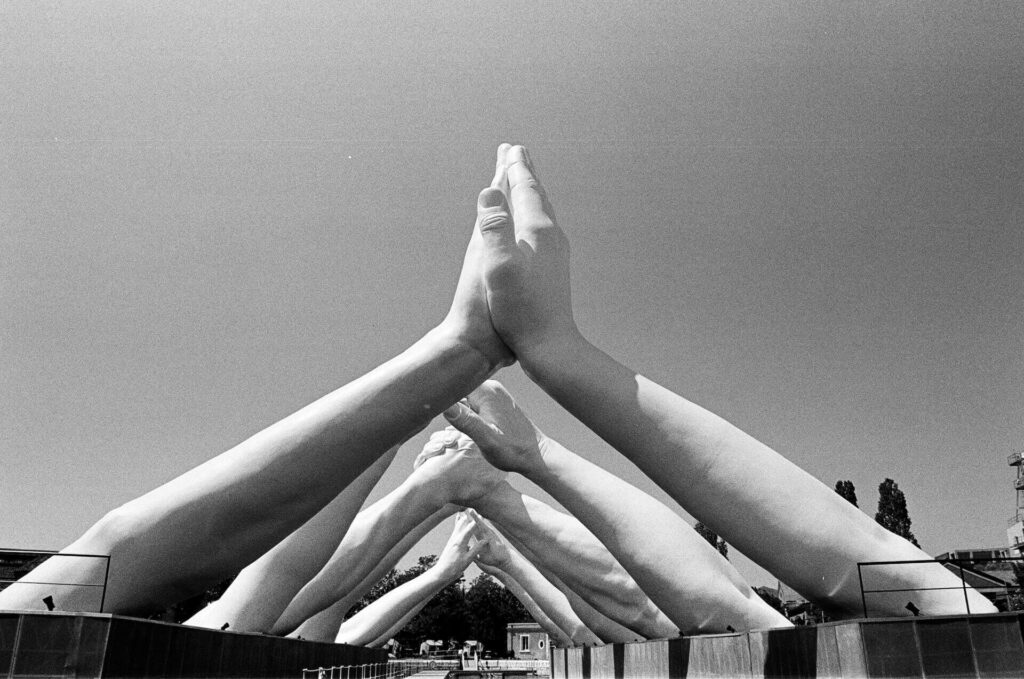
Art-based community projects encourage participation and shared ownership. Murals painted by neighborhoods, collaborative sculpture installations, or cultural art fairs bring people together.
These events promote dialogue and cultural pride, making them excellent tools for fostering local and international community bonds. By engaging diverse groups in artistic creation, communities build mutual understanding and trust.
10. Facilitating Dialogue in Public Spaces
Public art such as installations, sculptures, and performances creates shared spaces for intercultural dialogue. These pieces often raise questions about identity, belonging, and history, sparking conversations among viewers.
In cities around the world, public art has become a platform for expressing multiculturalism. These open-air galleries invite everyone—regardless of background—to reflect and engage with the cultural messages conveyed through the art.
Conclusion
Art is a catalyst for unity in our increasingly globalized society. By speaking a universal language, telling powerful stories, and promoting inclusive collaboration, it serves as a bridge between cultures. Each brushstroke, beat, and performance carries the potential to reshape how people perceive each other across borders.
As digital platforms continue to amplify these artistic voices and traditions, the reach of cross-cultural art will only expand. The world needs this now more than ever. In fostering respect, empathy, and shared understanding, art remains one of the most profound and effective tools we have to build a more inclusive and connected global community.
Let us continue to support cultural art initiatives, celebrate diversity through creativity, and engage with art that challenges and inspires. Through such efforts, we lay the foundation for a future where every culture is seen, heard, and honored.
