
In an increasingly interconnected world, the preservation and dissemination of cultural art traditions have become paramount. Digital platforms have emerged as vital tools in this endeavor, offering innovative ways to document, share, and revitalize artistic heritage across the globe. By leveraging technology, communities can ensure that their unique cultural expressions endure for future generations.
The Digital Transformation of Cultural Preservation
Traditional methods of preserving cultural art—such as oral histories, physical artifacts, and localized performances—are invaluable. However, they often face challenges like degradation, limited accessibility, and geopolitical threats. Digital platforms address these issues by providing scalable, accessible, and interactive solutions.
For instance, initiatives like the Global Memory Net offer multilingual and multimedia content, making diverse cultural materials available to a worldwide audience . Such platforms not only safeguard cultural heritage but also promote global appreciation and understanding.Wikipedia
Enhancing Cultural Art Collaboration
Digital platforms significantly bolster cultural art collaboration by connecting artists, scholars, and enthusiasts across borders. Virtual exhibitions, online workshops, and collaborative projects enable the exchange of ideas and techniques, fostering a dynamic environment for cultural innovation.
Platforms like Sahapedia exemplify this collaborative spirit by bringing together experts and community members to document and share India’s rich cultural tapestry . Through such initiatives, digital platforms facilitate meaningful interactions that transcend geographical limitations.Wikipedia
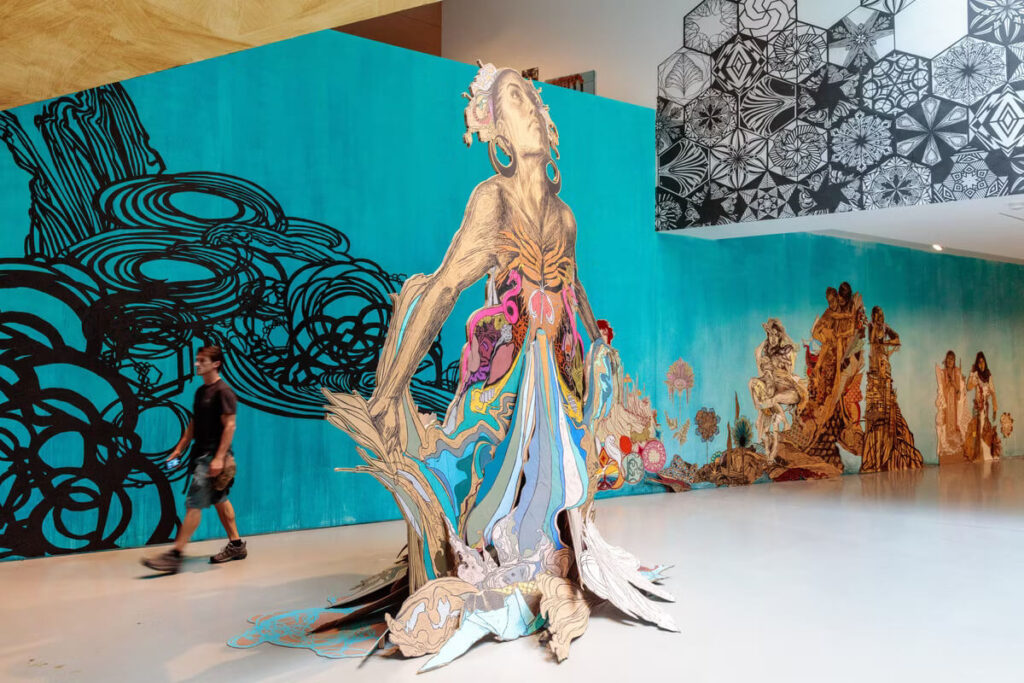
Virtual Museums and Immersive Experiences
The advent of virtual museums has revolutionized the way audiences engage with cultural art. By offering immersive experiences, these digital spaces allow users to explore artifacts, artworks, and performances from the comfort of their homes.Metapress+1ResearchGate+1
Projects like Google Arts & Culture’s Open Heritage utilize advanced technologies such as 3D scanning and virtual reality to recreate and preserve historic sites . These virtual reconstructions not only protect cultural assets from physical deterioration but also democratize access to cultural knowledge.Architectural Digest
Empowering Artists and Communities
Digital platforms empower artists and cultural practitioners by providing avenues to showcase their work to global audiences. Social media, online marketplaces, and streaming services enable creators to share their traditions, gain recognition, and generate income.
For example, the Sarmaya Arts Foundation curates digital archives of Indian art, offering artists a platform to reach wider audiences and preserve their heritage . Such empowerment fosters cultural pride and sustainability within communities.Wikipedia
Educational Opportunities and Youth Engagement
Integrating digital platforms into educational frameworks enhances the transmission of cultural art traditions to younger generations. Interactive tools, online courses, and virtual reality experiences make learning about cultural heritage engaging and accessible.
Organizations like UNESCO have emphasized the role of digital platforms in cultural education, noting their capacity to reach diverse audiences and adapt to various learning styles . By engaging youth through technology, these platforms ensure the continuity of cultural practices.
Preserving Intangible Cultural Heritage
Beyond tangible artifacts, digital platforms play a crucial role in preserving intangible cultural heritage, such as oral traditions, music, and rituals. Through audio and video recordings, these ephemeral expressions can be documented and shared widely.
Initiatives like Rekrei (formerly Project Mosul) utilize crowd-sourced images to reconstruct and preserve cultural heritage sites and artifacts that have been destroyed or are under threat Wikipedia. Such efforts highlight the potential of digital platforms to safeguard even the most vulnerable aspects of cultural heritage.Wikipedia
Challenges and Ethical Considerations
While digital platforms offer numerous benefits, they also present challenges and ethical considerations. Issues such as digital divide, data ownership, and cultural sensitivity must be addressed to ensure equitable and respectful preservation practices.
Collaborative approaches that involve community consent and participation are essential. By prioritizing inclusivity and ethical standards, digital platforms can serve as responsible stewards of cultural heritage.
Conclusion
Digital platforms have become indispensable tools in the preservation and dissemination of cultural art traditions. By facilitating collaboration, enhancing accessibility, and empowering communities, these technologies ensure that cultural heritage continues to thrive in the digital age.
As we navigate an increasingly globalized world, embracing digital platforms for cultural preservation not only safeguards our diverse histories but also enriches our collective future. Through thoughtful integration and ethical practices, we can harness technology to celebrate and sustain the vibrant tapestry of human culture.
